|
| |
Home>Product>Iron ore |
| |
| |
| Iron ore |
- Iron ore
- Overview
- Specification
- processes
|
Iron ore
Iron is a mineral, forming naturally over geological periods in the ground and within rocks. It is one of the most common elements on earth, comprising About 5 per cent of the earth's crust.
Rocks containing iron ore often date to more than 2,500million years old. It is the key ingredient in the production of steel |
|
|
|
How Iron Is Mined
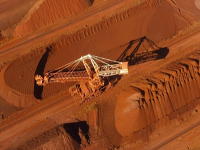
Explosives are used to blast through surface rock to access iron ore deposits below the ground. Haul trucks transport the ore to crushing plants, where the ore is crushed into smaller pieces of varying sizes. Crushed ore is then classified into different sizes based on customer specifications.
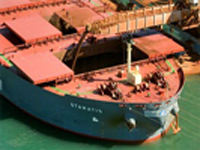
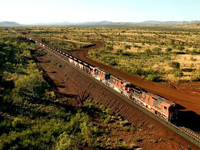
The ore is next transported via rail to ports for shipping to overseas customers or smelters. Iron ore usually ends up in blast furnaces and steel mills, where it is turned into iron and steel through smelting and refining.
How Iron Is Processed
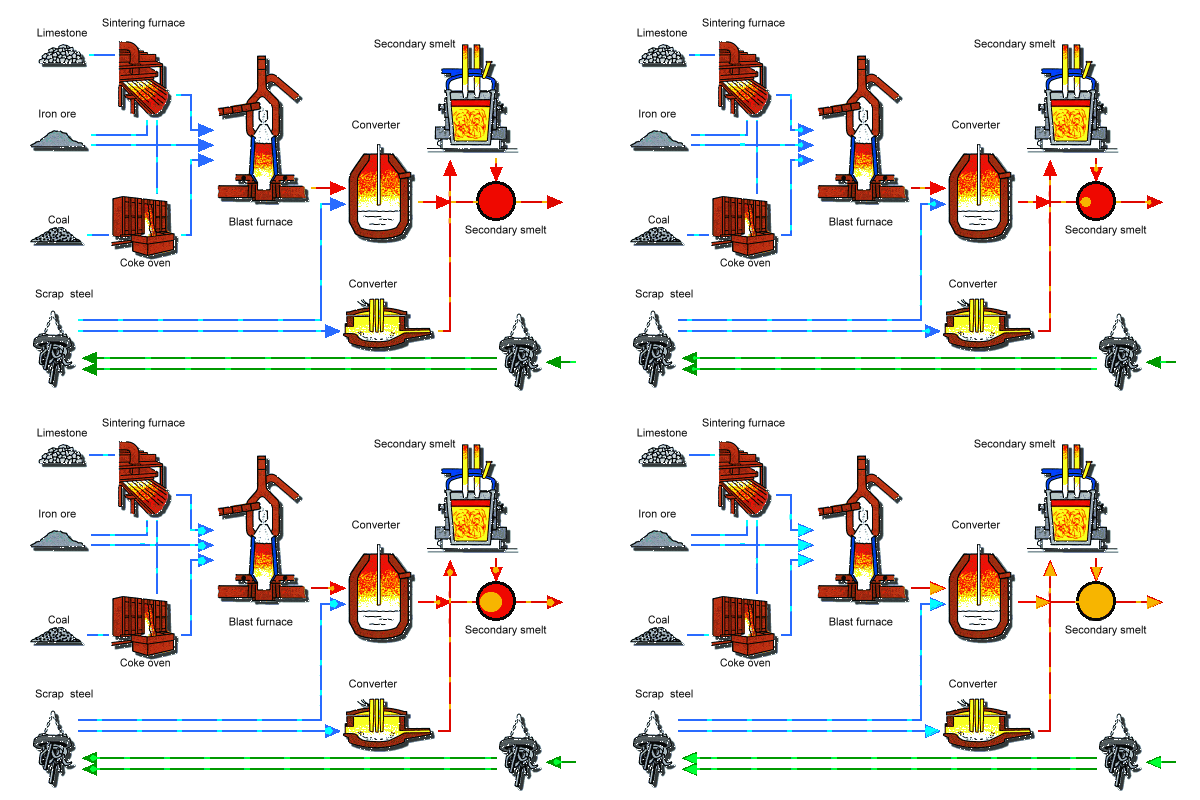
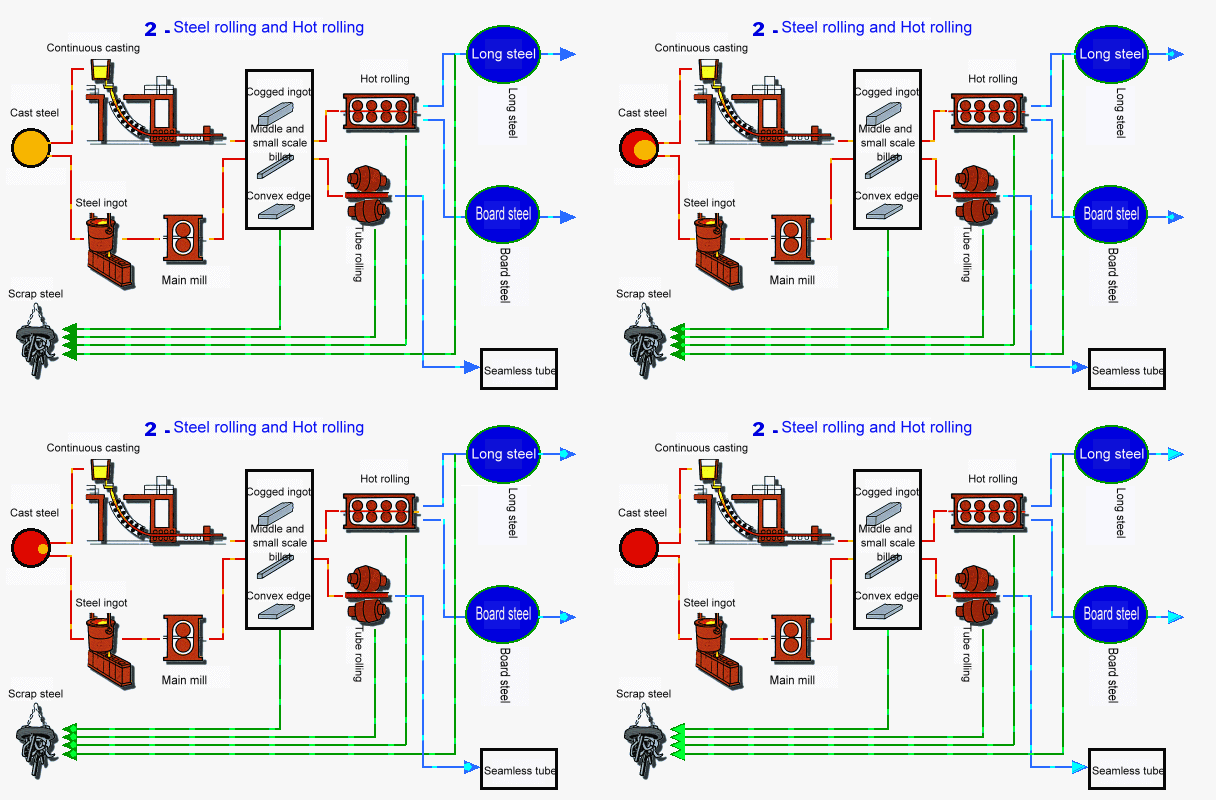
Iron ore is smelted in blast furnaces to produce pig iron. In a blast furnace, coke and ore are fed through the top of the furnace while heated air is blasted into the bottom of the furnace at temperatures of around 2000°C. The chemical reactions that take place as the ore and coke move down creates molten metal and slag which settle to the bottom of the furnace, where the molten slag floats on top of the more dense molten iron. Iron and slag are tapped off separately from the blast furnace.
Once cooled, the iron is called pig iron. Pig iron is not pure iron as it has 4 to 5 per cent carbon in its make up. Pig iron is used to produce steel or commercially pure iron (wrought iron) through further smelting and refining in furnaces and converters
Iron And Its Uses
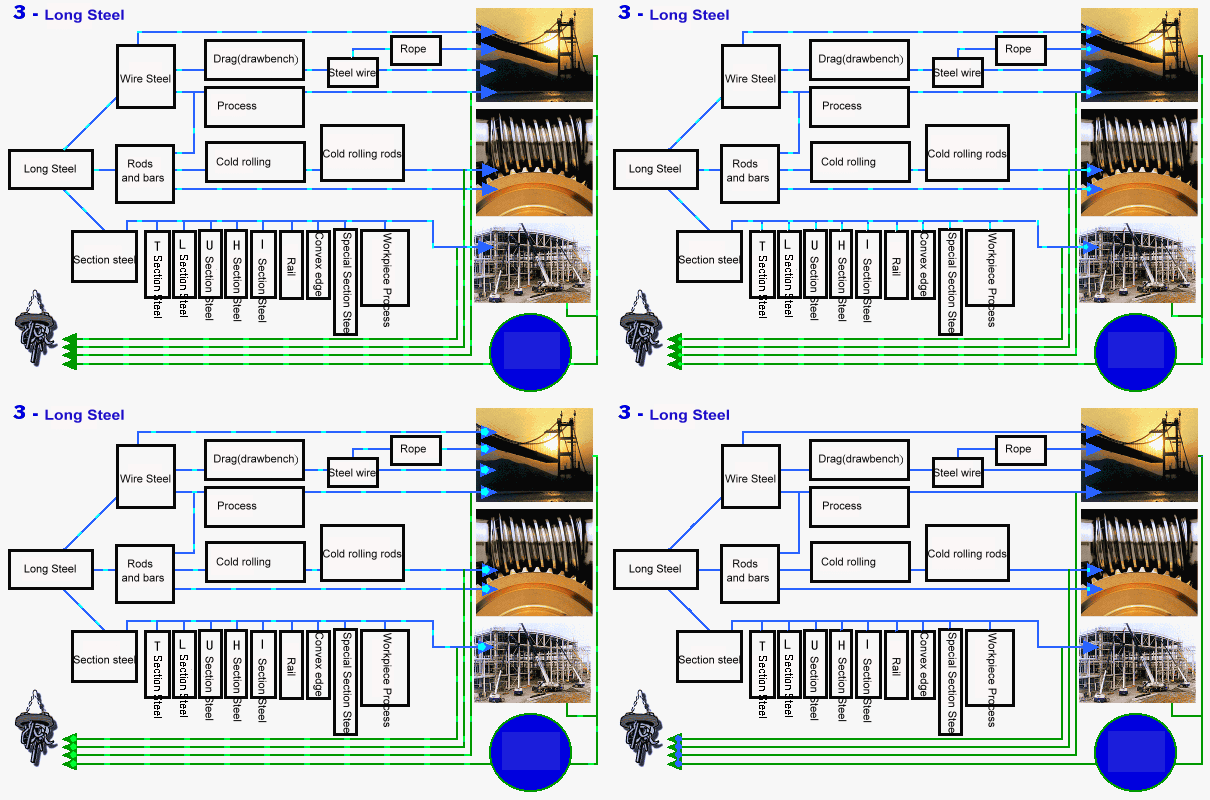
Cast iron is a partly refined iron that contains up to 5 per cent carbon. This makes it very hard, but brittle. These properties make it ideal for moulded parts, like car engine blocks.
Wrought iron is nearly pure iron mixed with a glasslike material. Unlike cast iron, this type of iron does not rust, and is softer, which makes it suitable for use in outdoor furniture, porch railings and other decorations.
Steel is the most common form of iron. It contains About 1 per cent carbon and has properties that make it an excellent material for thousands of different uses.
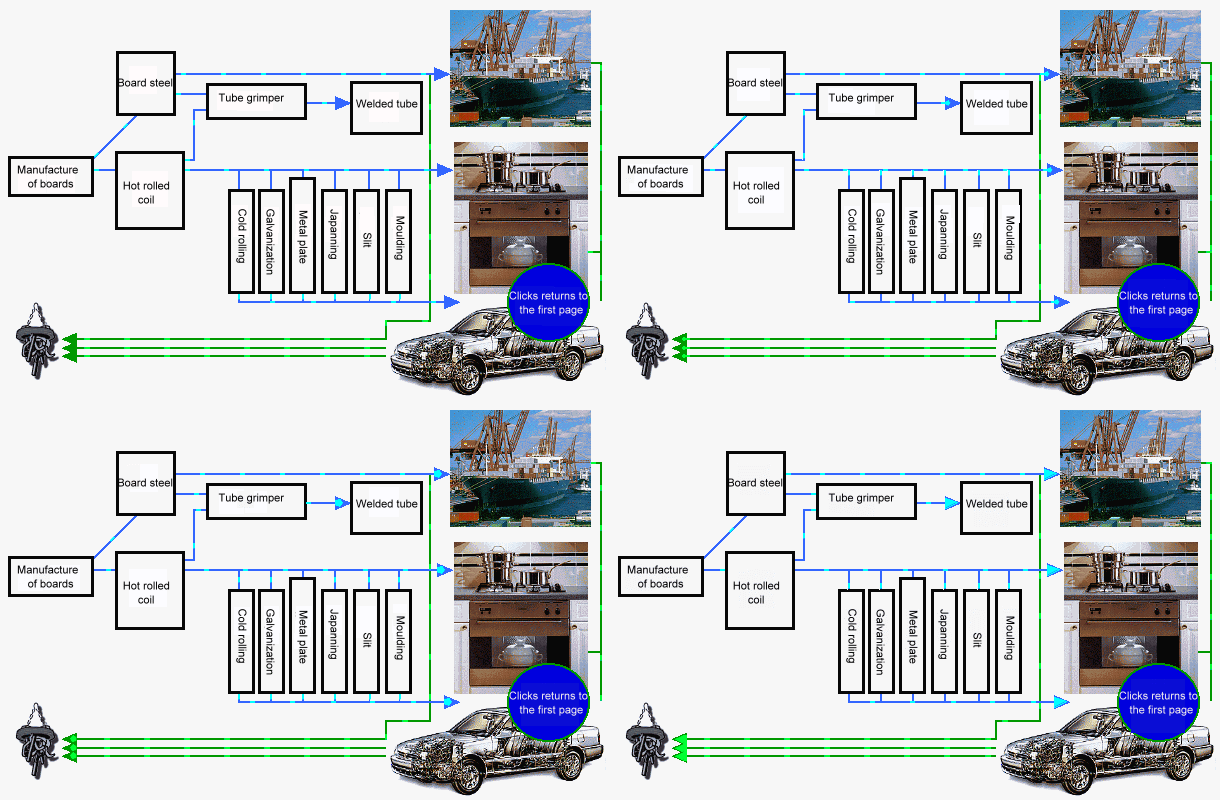
Stainless steel contains chromium, which makes it very resistant to rusting. This makes an ideal material for motor vehicle parts, hospital equipment and food preparation tools and utensils.
Tool steel is extremely hard, and is used in metalworking tools. It is produced by tempering certain types of steels by putting them through quick heating and cooling cycles |
| Australia Lump Iron Ore Specification |
| |
Guaranteed Typical Chemical Composition |
|
| |
Dry basis |
Percentage by weight |
| Fe |
65.40% |
64% min |
| Al2O3 |
1.30% |
2.00% max |
| Al2O3 + SiO2 |
4.30% |
5.60% max |
| P |
0.057% Min |
0.06% max |
| S |
0.012% Min |
0.03% max |
| Cu |
0.002% Min |
0.03% max |
| Other metals not mentioned above 0.15% max and |
|
|
| excluding Ca, Mg, Mn, Na and K |
|
|
| Moisture |
3.30% |
|
| Physical specification |
|
|
| -6.3mm |
4.00% |
12.00% |
| +31.5mm |
11.00% |
|
|
|
|
|
| |
| Australia Fine Iron Ore Specification |
| Guaranteed Typical Chemical Composition |
|
|
| |
Dry basis |
Percentage by weight |
| Fe |
64.00% |
63.0% min |
| Al2O3 |
2.10% |
2.80% max |
| Al2O3 + SiO2 |
6.20% |
7.50% max |
| P |
0.07% |
0.078%
max |
| S |
0.015% Min |
0.03% max |
| Cu |
0.002% Min |
0.03% max |
| Other metals not mentioned above 0.15% max and |
|
|
| excluding Ca, Mg, Mn, Na and K |
|
|
| Moisture |
5.70% |
|
| Physical specification |
92.00% |
|
|
|
|
|
| |
| Brazil Iron Ore Specification |
| Fe |
64.5% min. |
65.50% |
| Sio2 |
4.5% max. |
3.60% |
| Al2o3 |
3.5% max. |
2.23% |
| Mn |
0.15%
max |
0.08% |
| Loi |
0.80%
max |
0.70% |
| P |
0.027%
max |
0.015% Min |
| S |
0.007%
max |
0.005% Min |
| Na2o |
0.015%
max |
0.007% Min |
| K2o |
0.008%
max |
0.005% Min |
| Tio2 |
0.08%% max. |
0.03% Min |
| Cao |
0.02%
max |
0.012% Min |
| Mgo |
0.03% max |
0.022% Min |
| Sn <
0.1% |
|
|
| Cr <
0.01% |
|
|
| Zn
< 0.01% |
|
|
| Pb
< 0.001 |
|
|
| Moisture 8.00% max.at 105 deg Centigrade |
|
|
| Size: |
|
|
| 15mm to 5mm |
60% min |
|
| -5mm |
10% max |
|
| +15mm to 25mm |
30% max |
|
|
|
|
|
|
|
|
|
| |
|
|
| |
|
|